
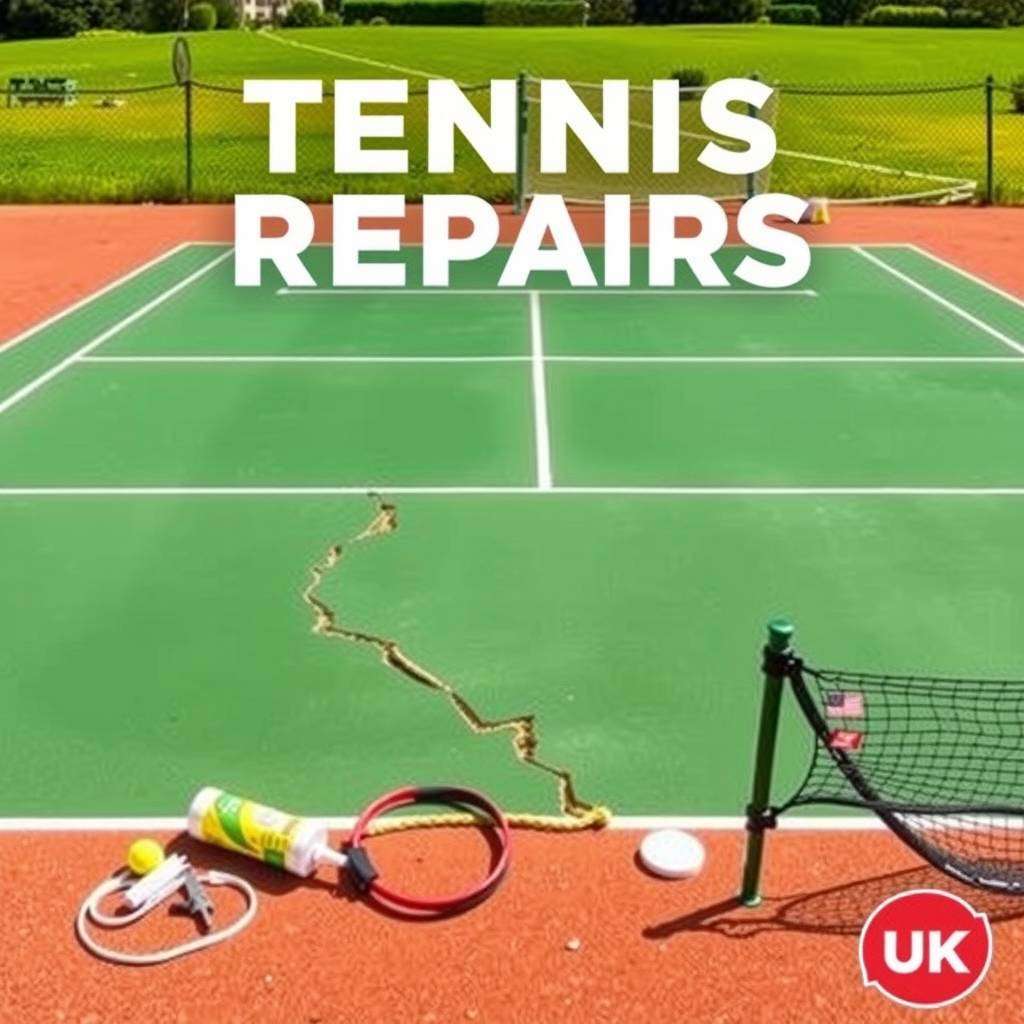
Tennis courts, whether constructed from asphalt, concrete, or featuring an artificial grass surface, require regular maintenance and occasional repairs to ensure optimal playing conditions. An unkempt court can detract from the game and compromise safety for players. Understanding common issues and how to address them can save time and money in the long run. Below, we delve into the top five common issues associated with tennis court repairs and provide strategies for their effective resolution.
1. Surface Cracks
One of the most prevalent issues faced by tennis court operators, particularly with hard courts made from asphalt or concrete, is surface cracking. These cracks can develop due to environmental factors such as temperature fluctuations, moisture, and general wear and tear from usage.
Solution:
The most effective way to address this issue is through proper tennis court maintenance, which includes regular inspections. Small cracks can often be filled with a suitable crack filler and sealed to prevent water from entering and causing further damage. For larger cracks, more extensive resurfacing may be required. Resurfacing involves applying a new layer of coating over the existing surface, offering a smooth and fresh playing area while addressing structural integrity.
Tennis court repairs are essential to maintain the quality and safety of your playing surface. Over time, wear and tear can lead to cracks and surface imperfections, affecting gameplay. Regular maintenance ensures your court stays in top condition. For reliable tennis court repairs, consider professional services. Learn more about top-notch repair solutions at https://www.tennispropressurewashing.com/.
2. Fading and Discolouration
Over time, the UV rays from the sun can lead to the fading and discolouration of court surfaces, especially on those with acrylic coatings. This issue is not just aesthetic; faded surfaces can also affect ball visibility during play, detracting from the overall experience.
Solution:
Regular tennis court cleaning is essential to maintain the appearance of the surface. Using a gentle pressure washer alongside specialised cleaning solutions can help remove dirt and debris that accumulate on the court. For tennis courts featuring artificial grass, a thorough brushing to lift the nap of the grass fibres can rejuvenate the surface and retain its vibrant colour. Should the discolouration persist, applying a fresh coat of acrylic paint designed for tennis surfaces may be necessary, ensuring that the colours remain vibrant and thus enhancing visibility during play.
3. Poor Drainage
Effective drainage is crucial for any tennis court, as standing water can not only impede play but also encourage mould growth and compromise the structural integrity of the surface. Poor drainage can lead to issues such as water pooling, which can quickly escalate into more significant repairs.
Solution:
To resolve drainage issues, an initial assessment is important to identify the problem areas. Cleaning out gutters, regrading the surface, or installing drainage tiles might be required to improve water flow. In cases where courts are constructed with artificial grass, ensuring that the infill material is adequately distributed can also aid in drainage, allowing for proper water runoff and preventing pooling.
4. Torn or Damaged Nets
In addition to the physical surface of a tennis court, nets are an essential part of the playing experience. Over time, nets can become torn or damaged due to weather conditions, improper handling, or vigorous play. A damaged net can lead to frustration for players and impede the overall quality of the game.
Solution:
Regularly inspecting the nets during routine maintenance is key to identifying potential issues before they escalate. If a net is found to be damaged, repairing small tears with specialised net repair kits can extend the life of the net. For complete replacements, select sturdy, weather-resistant nets that conform to the regulations of tennis play. When the installation is complete, ensure that the net is properly tensioned and aligned to maintain optimal playing conditions.
5. Uneven Playing Surface
An uneven surface can cause unpredictable bounces, which can be detrimental to a player’s performance and increase the risk of injury. Unevenness can develop from improper installation, ground subsidence, or deterioration of the court structure.
Tennis court repairs are essential for maintaining optimal playing conditions and ensuring safety. Regular maintenance extends the lifespan of your courts, providing an enjoyable experience for players. For expert services, visit https://www.artificialgrassmaintenance.co.uk.
Solution:
Addressing an uneven playing surface often requires resurfacing or regrading. Professional assessment might be necessary to identify the extent of the damage and determine appropriate action. If the issue is minor, smoothing out the specific problem areas and applying a fresh layer of resurfacing can suffice. For more significant defects, it may be necessary to excavate and refill sections of the foundation to establish a level base before applying the new surface layer. Regular maintenance, including filling in any holes or depressions that form over time, can help prevent the surface from becoming uneven again in the future.
Maintaining your tennis court will not only enhance the experience for players but will also increase the longevity of the facility itself. Keeping an eye on these common issues and taking proactive measures will ensure that your court remains in top condition year-round.
FAQ: Tennis Court Repairs
What are common issues that require tennis court repairs?
Tennis courts can experience various issues, including cracks in the surface, uneven ground, fading court lines, and damage from weather elements. Regular wear and tear can also lead to surface deterioration over time.
How often should I schedule tennis court repairs?
It is recommended to inspect your tennis court at least once a year. However, if you notice visible signs of damage such as cracks or surface degradation during regular use, it’s best to address those repairs promptly.
Can I perform my own tennis court repairs?
While minor maintenance tasks like cleaning and painting lines may be manageable for DIY enthusiasts, repairing significant damage (like large cracks or severe surface breakdown) usually requires professional equipment and expertise. It’s advisable to consult with a professional for major repairs.
What are the costs associated with tennis court repairs?
The cost of tennis court repairs varies based on factors such as the extent of the damage, type of surface (asphalt or grass), location, and labour fees. Minor crack sealing could start around $200 while extensive resurfacing projects might range between $1,500 to $4,000 or more.
How long does it take to complete tennis court repair work?
The duration of repair work depends on several factors including the type of repair needed and weather conditions. Simple fixes like crack sealing might take just a few hours while resurfacing could require several days to complete.
Is there any preventive maintenance I can perform on my tennis court?
Yes! Regular sweeping away debris, removing algae growth from surfaces promptly, applying sealants every few years depending on usage frequency can extend your courts’ life span significantly. Additionally, ensure proper drainage solutions are in place.
What types of materials are used for repairing a tennis court?
Common materials include asphalt and acrylic coatings for hard courts which provide durability; concrete patching compounds for concrete surfaces; synthetic turf materials for artificial grass courts; each tailored based on specific needs.
Will my tennis lessons need to be canceled during renovations?
Depending on the scope of renovations required some disruption may occur; however contractors often aim at scheduling work during off-peak hours or seasons when play is less frequent so as not interrupt ongoing lesson schedules when possible.