
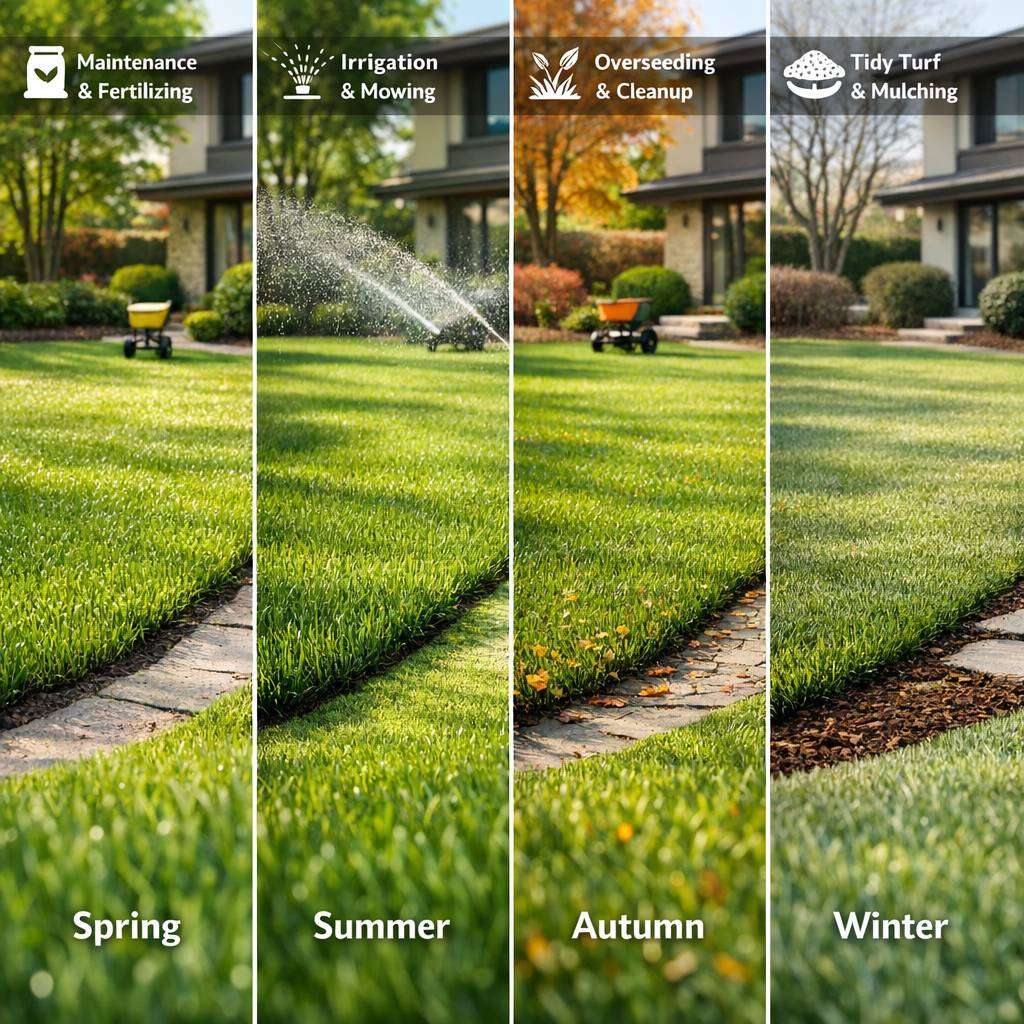
Maintaining artificial grass can extend its beauty and longevity. Regular brushing, clearing debris, and addressing stains promptly keep fibers upright and surfaces clean. For detailed aftercare tips, visit https://www.lazylawn.co.uk/diy/aftercare/, then follow seasonal maintenance schedules to protect color and resilience.
Artificial grass offers year-round greenery with minimal upkeep, but to keep it looking pristine and feeling natural, a seasonal approach to maintenance is essential. Below is a friendly, expert guide to maintaining artificial grass throughout the year, including practical tips and ways to optimise your artificial grass maintenance routine.
Why regular maintenance matters
Artificial grass maintenance is more than an occasional brush and hose. Regular care helps prevent flattening of fibres, reduces the growth of moss and algae in damp conditions, and extends the lifespan of your turf. A consistent schedule ensures even colour, softness underfoot, and a clean, tidy outdoor space.
Maintaining artificial grass is easier than you might think, with simple routines that extend its life and keep it looking immaculate. Begin with regular brushing to lift blades and prevent matting, especially in high-traffic areas. Clear debris and rinse occasionally to prevent dirt buildup. The following resource offers expert tips and practical guidance: maintaining artificial grass. Schedule seasonal checks for infill levels, weed control, and edge sealing. A consistent care schedule ensures a pristine, natural-looking turf year-round.
Spring: refreshing and prepping after winter
- Clear debris: Gently remove leaves, twigs, and pollen with a flexible leaf blower or a stiff brush. This helps maintain the roll, drainage, and appearance.
- Brush the pile: Use a hard-bristled or medium-bristled brush to lift flattened fibres and restore a natural blade height. Brush in multiple directions for a uniform look.
- Check drainage: Ensure that drainage slots are free from obstruction. Poor drainage can lead to puddling after spring showers.
- Wash as needed: A light rinse with water helps remove dust and pollen from winter months. For stubborn stains, use a mild soapy solution and rinse thoroughly.
- Inspect for wear: Look for loose seams, wrinkles, or seams lifting. Address issues promptly with a trusted artificial grass maintenance service if necessary.
Summer: preserving vibrancy and safety
- Brushing routine: Maintain a regular brushing schedule to keep fibres upright under sun and heat. Brushing helps prevent matting from high foot traffic and keeps the turf looking fresh.
- Manage heat and safety: On extremely hot days, avoid placing reflective items or shoes with aggressive tugs on the turf. High temperatures can soften fibres; use a shade sail or plant additional greenery to reduce heat exposure.
- Keep it clean: Regularly remove pet waste and rinse with water. For odours, a gentle solution of water and mild detergent may be used, followed by thorough rinsing.
- Algae and moss control: In damp areas or shaded spots, algae and moss can thrive. A light treatment with a specialised artificial grass cleaning product or diluted vinegar solution can help; always test on a small area first and follow the product instructions.
- Check irrigation and near-plant irrigation: If you have artificial grass around planters or near sprinklers, ensure water coverage doesn’t cause pooling or staining. Wipe away mineral deposits if they appear.
FAQ: Maintaining Artificial Grass
How often should I clean artificial grass?
Regularly brush or rake to lift fibers and remove debris. Light cleaning weekly is common, with a deeper clean every one to two months, depending on usage and environment.
How do I remove spills and stains from artificial grass?
Blot spills immediately with a paper towel or cloth. For tougher stains, use a mild detergent and water, then rinse thoroughly. Avoid harsh chemicals that could damage the backing or fibers.
Can I use a vacuum on artificial grass?
Yes, a lightweight vacuum (without a beater bar) can help remove dust, pet hair, and small debris. For larger debris, use a leaf blower or a stiff brush.
How do I prevent and remove pet odors?
Rinse the area with water regularly, especially after pets use it. Use an enzymatic cleaner designed for artificial turf to break down odors, and ensure proper drainage to avoid pooling.
Do I need to brush the grass? How often?
Brushing keeps the fibers upright and maintains a natural look. Brush against the grain with a stiff nylon or polypropylene rake at least once a week, or more often in high-traffic areas.
How do I handle weeds and pests around artificial grass?
Weeds can grow around the edges or through the backing if there are gaps. Use a weed killer labeled safe for artificial turf when necessary, and keep edges clean. Regularly remove weeds and trim surrounding plants to minimise intrusion.
Can I spill paint or temporary decorations on artificial grass?
Clean up spills promptly and rinse thoroughly. For cured paint, consult the manufacturer’s guidelines; you may need a specialised turf cleaner or professional service to avoid staining or backing damage.
How do I maintain drainage and prevent standing water?
Ensure there is proper slope and that the drainage system is clear. Remove debris from the surface and surrounding channels to prevent blockages. If water pools, investigate underlying drainage and consider professional inspection.
What should I use to clean artificial grass—soaps or chemicals?
Mild soap and water are usually sufficient. For stubborn stains, use a manufacturer-recommended turf cleaner. Avoid bleach or solvents unless explicitly approved by the turf maker.
How long does artificial grass last, and how can I extend its life?
Quality artificial grass typically lasts 8–15 years depending on traffic, maintenance, and installation quality. To extend life, keep fibers upright, clean regularly, limit excessive heat exposure, and repair any seams or edges promptly.
Do I need to professional maintenance or repairs?
Routine maintenance can be DIY. Seek professional service for significant repairs, infill replacement, seam repairs, or extensive damage to ensure warranty compliance and optimal performance.
How should I store or protect outdoor furniture on artificial grass?
Place furniture with wide, non-staining feet or pads to prevent indentations. Avoid dragging heavy items and rotate furniture periodically to prevent uneven wear.
How do I winterise or prepare artificial grass for extreme weather?
Clear debris before winter storms, ensure drainage is clear, and remove snow with a plastic scoop or bristle broom to avoid fabric damage. Avoid using metal shovels or sharp tools.
Are there any risks of mold or mildew on artificial grass?
In damp conditions, mold or mildew can develop on backing or around edges. Keep the area dry, clean regularly, and address any drainage issues promptly.
What should I do if I notice faded colour or worn fibers?
Fading can occur due to sun exposure. Some products offer UV protection; consider professional evaluation for possible fiber replacement or turf replacement if wear is significant.
If you’d like, I can tailor these questions to a specific product brand or installation type (residential, commercial, sports turf).
Autumn: preparation for leaf fall and cooler days
- Leaf management: Raked leaves should be collected regularly. Accumulated leaves can suffocate fibres and promote mould.
- Debris control after windy days: Autumn winds can bring more debris. A weekly sweep keeps the surface clear and helps drainage.
- Moss and mould monitoring: Humidity and cooler weather can encourage moss growth in shaded pockets. Implement a gentle cleaning routine to prevent build-up.
- Check seams and infill: Inspect seams and any infill levels to maintain a uniform surface. You may require a professional artificial grass maintenance package to adjust infill if needed.
- Irrigation assessment: While rainfall helps clean artificial grass, persistent rain can lead to pooling in poorly drained areas. Reassess drainage efficiency and address any concerns.
Winter: enduring the cold and wet season
- Gentle cleaning: Remove debris and rinse occasionally to prevent accumulation of dirt and grime. Do not use hot water or harsh chemicals that could damage fibres.
- Frost and ice considerations: If frost forms, be cautious when walking on the turf to avoid damage. Do not use metal tools to scrape ice; use a plastic implement or brush to clear it.
- Reduced sun exposure: Shorter days mean less natural cleaning. A regular maintenance artificial grass plan can help keep the surface clean and visually appealing during darker months.
- Pet care in winter: If you have pets, promptly remove waste and rinse surfaces after weather events to maintain hygiene. A maintenance package tailored to pet owners can help, including stain removal guidance and odour management.
- Seasonal inspections: Schedule a professional artificial grass maintenance service to conduct a thorough inspection of seams, backing, and overall turf health. Early detection of wear prevents more costly repairs later.
Routine maintenance: a practical weekly routine
- Clear debris and light brushing: 5–15 minutes, depending on wear and usage.
- Quick rinse: 5–10 minutes after dirty events, dust, or pollen.
- Check for stains and spot-clean: 5–10 minutes for common issues such as spills or pet waste.
- Inspect for damage: Brief monthly checks identify seams coming loose or damage to the edge.
- Schedule a professional assessment: At least twice a year, or as needed, to keep on top of maintenance of artificial grass and ensure the long-term health of your turf.
When to call in the professionals
- Persistent staining or odour that you cannot remove with home cleaning.
- Seams lifting, edges curling, or significant wear in high-traffic zones.
- Moss, mould, or algae that resists standard cleaning solutions.
- Uneven pile or flattening that affects appearance and feel.
- Inf to restore bounce and resilience—an artificial grass maintenance package can help rebalance the surface and extend lifespan.
Choosing the right support
- Artificial grass maintenance service: A professional service provides tailored cleaning, edge repairs, infill adjustments, and seasonal guidance to keep your turf looking its best.
- Artificial grass maintenance package: A planned programme that covers regular cleaning, brushing, deodorising, and inspections, often including a visit schedule aligned with the seasons.
- Maintenance artificial grass: A general term for ongoing upkeep, which can be scheduled as a standalone service or bundled with installation.
Final notes
Maintaining artificial grass is about consistency and attention to seasonal needs. By following this guide, you’ll enjoy lush, long-lasting turf that looks natural and stays comfortable underfoot. Whether you manage routine upkeep yourself or choose an artificial grass maintenance package, a bit of care each season yields enduring beauty and enjoyment.
Remember: a well-maintained lawn isn’t just about appearance—it prolongs the life of your investment, reduces the risk of damage, and keeps your outdoor space inviting all year round.