
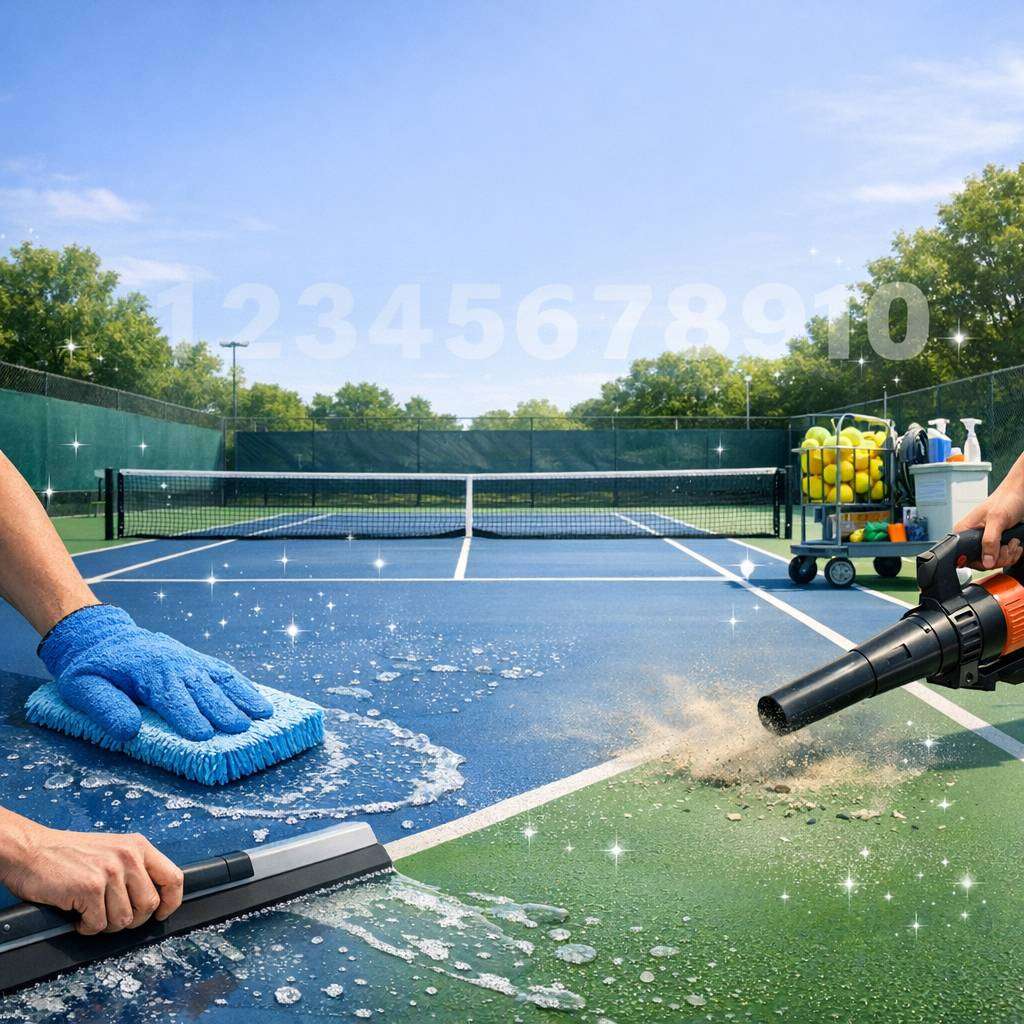
Maintaining a spotless tennis court demands regular cleaning, equipment checks, and proper drainage to preserve playability. For insights on advanced methods and performance, explore industry stories linked here. https://www.kaercher.com/us/inside-karcher/newsroom/kaercher-stories/a-dazzling-display-on-center-court.html
Tennis court maintenance is more than a routine tidy-up; it is a proactive practice that preserves playability, safety, and value. A well-cleaned surface can extend the lifespan of your court significantly, whether you’re dealing with an artificial grass tennis court, a traditional hard court, or a specialised tennis grass court. In this guide, we’ll explore practical cleaning strategies that shed debris, manage moisture, and protect the underlying structure, helping you plan effective tennis court maintenance regimes.
Professional input from experts in tennis court installation and resurfacing emphasises that cleaning is not just cosmetic. Regular, thoughtful cleaning supports the integrity of the surface, reduces wear and tear, and can lower long-term costs related to repairs and repairs. This article draws on best practices across different surface types, from artificial grass to hard courts, to give you a coherent approach to keeping your facility in top condition.
Tip 1: Establish a Regular Cleaning ScheduleA predictable routine is the foundation of effective tennis court cleaning. Set daily or weekly tasks based on usage, weather, and surrounding environmental factors. For multi-use facilities, coordinate cleaning with peak play times to minimise disruptions. A schedule should include debris removal, surface brushing, and periodic inspection for stains or damage. Consistency helps you catch issues early, preventing secondary problems such as drain blockages or surface slickness.
Tip 2: Prioritise Debris RemovalLeaves, seeds, and litter can accumulate quickly, particularly in autumn. Use a soft-bristle broom or a specialised court brush to sweep the surface without coarse bristles that could abrade the material. For artificial grass tennis court surfaces, ensure the brushing direction aids fibre alignment and drainage. Remove debris from edges and corners where accumulation tends to occur, and be mindful of moss or algae growth in shaded areas.
Tip 3: Manage Moisture EffectivelyMoisture control is critical for all court types. After rain, clear standing water promptly using squeegees or mechanical pumps designed for sports surfaces. A damp surface can become slippery and promote moss or mould growth, which weakens the playing area over time. For porous surfaces, ensure adequate drainage in the surrounding substrates to prevent water pooling and freeze-thaw damage.
Tip 4: Clean Stains without Harsh ChemicalsStains from sweat, sunscreen, or sports drinks may require gentle treatment. Use mild, non-abrasive cleaners compatible with the specific surface. Avoid chlorine-based products that can degrade certain elastomeric coatings or fibres in artificial grass. Test cleaners on a small, inconspicuous area of the tennis court artificial grass or hard court before widespread use. For persistent stains, consider consulting a professional focusing on tennis court maintenance to avoid compromising the surface.
Tip 5: Brush and Groom Artificial Grass RegularlyFor tennis court artificial grass, regular brushing helps maintain fibre stand and drainage. Brush against the grain at a shallow angle to lift flattened fibres, re-align pile, and remove compacted debris. Frequency depends on usage and weather, but monthly brushing during dormant periods and weekly during heavy play is a good baseline. De-compact the infill profile if you notice uneven bounce or drainage issues, which could indicate poor infill distribution or compaction.
Tip 6: Monitor Edge and Perimeter AreasEdges are particularly vulnerable to weed intrusion, root growth, and sediment accumulation. Inspect edging materials and drainage channels as part of your tennis court maintenance routine. Clear debris from gutters and drains to prevent water back-up. If you notice seeds or organic matter gathering near the boundary, adjust mowing or landscaping to minimise transport of soil onto the court surface.
Tip 7: Protect Against Algae, Moss, and LichenShade and moisture can promote organic growth on many surfaces, including tennis grass court surfaces and hard courts. Use appropriate algaecides or moss control products designed for your surface type. Apply carefully according to manufacturer instructions, and avoid over-application that could leave residues or alter surface traction. Regular cleaning combined with environmental management—such as pruning nearby trees to improve airflow—reduces recurrence.
Tip 8: Plan for Seasonal Cleaning PracticesSeasonal considerations drive how you manage cleaning. In autumn, increase debris clearing to counter fallen leaves; in spring, check for surface micro-damage after winter conditions. For outdoor courts, consider applying a light protective treatment or sealant recommended by your installer to extend life between resurfacing periods. This is particularly relevant for tennis court resurfacing plans or when evaluating tennis court repairs or installation upgrades.
Tip 9: Maintain Drainage and Subsurface IntegrityEfficient drainage underpins surface longevity. Keep drainage grates clear and inspect trench drains for blockages. Poor drainage leads to water retention that accelerates wear and can cause cracking in hard surfaces or destabilisation of artificial grass base layers. Regularly test the pitch for soft spots or tell-tale sinking, and address the underlying cause in collaboration with a tennis court installation or resurfacing professional.
Tip 10: Document Inspections and InterventionsMaintain a log of cleaning activities, observations, and actions taken. Photograph sections of the court periodically to track changes in surface condition, colour variation, or wear patterns. A clear record helps when planning tennis court maintenance, scheduling repairs, or coordinating with contractors for repairs or resurfacing. Use this documentation to inform decisions about tennis court artificial grass maintenance, repairs, and next steps for refurbishment.
Additional considerations
- When selecting products, ensure compatibility with your court type, whether you have an artificial grass tennis court or a traditional hard court. Consult manufacturer guidelines or a specialist in tennis court repairs and maintenance.
- For sites with multiple surface types, coordinate care across surfaces to avoid cross-contamination of cleaning agents or incompatible treatments.
- For long-term cost efficiency, integrate a preventative maintenance plan with a professional assessment of tennis court installation or resurfacing needs. This can minimise disruptions and maximise the lifespan of the surface.
If you’re planning a tennis court installation or contemplating tennis court resurfacing, these cleaning practices should be integrated into your project brief. A well-maintained court not only extends lifespan but also supports consistent play and safety for users. For more targeted guidance, engage with experts who specialise in tennis court maintenance, tennis court cleaning, and related services to tailor a programme to your facility’s unique requirements.
Tennis court cleaning is essential for maintaining performance, safety, and longevity of surfaces. Regular debris removal, dirt control, and mold prevention help preserve grip and bounce, ensuring players can train and compete effectively. A consistent cleaning routine also reduces wear and tear on nets, lines, and fencing. For expert guidance and professional services, explore maintenance solutions and dedicated support in the second half: www.artificialgrassmaintenance.co.uk.
FAQ: Tennis Court Cleaning
What is tennis court cleaning and why is it important?
Tennis court cleaning involves removing dirt, leaves, mold, algae, and debris from court surfaces to maintain traction, prevent damage, and extend the life of the court. Regular cleaning helps ensure consistent ball bounce, player safety, and aesthetics.
How often should a tennis court be cleaned?
- Clay and porous surface courts: monthly maintenance plus after heavy rainfall or storms.
- Asphalt or concrete courts: biweekly cleaning during active seasons; more frequent cleaning if nearby trees shed a lot of debris.
- Rubber or cushioned surfaces: weekly cleaning to prevent buildup of mold and slick spots.
What tools are recommended for cleaning a tennis court?
- Brooms or court brushes with soft bristles for delicate surfaces.
- Leaf blowers or power blowers to remove loose debris.
- Pressure washers with caution (low pressure, wide spray) for stubborn stains.
- Scrub brushes and cleaning solutions appropriate for the surface type.
- Squeegees or drainage tools to remove excess water.
Can I clean a tennis court myself or should I hire a professional?
Basic maintenance can be done by property managers or owners with the right equipment. For thorough cleaning, mold or mildew removal, or large facilities, hiring a professional tennis court cleaning service is recommended to avoid surface damage and ensure proper sanitization.
What cleaning solutions are safe for tennis courts?
- For clay courts: use products designed for clay maintenance; avoid harsh chemicals that deteriorate the surface.
- For hard courts (acrylic/concrete): mild detergents, water, and specialised court cleaners; avoid household cleaners with ammonia or bleach unless specified safe for the surface.
- Always follow the manufacturer’s guidelines and test a small area first.
How do you remove mold and algae from a tennis court?
- Use a mold- and mildew-killing cleaner formulated for outdoor surfaces.
- Apply according to label directions, let sit if required, then scrub with a stiff brush.
- Rinse thoroughly with water to remove residues.
- Ensure proper drying to prevent regrowth.
How can I prevent dirt and debris buildup on a tennis court?
- Regularly sweep or blow leaves and debris after windy days.
- Trim nearby trees to reduce falling debris.
- Use court covers during off-season or frequent rain.
- Schedule routine professional cleaning and sealing when appropriate for the surface.
Is pressure washing safe for all tennis court surfaces?
No. High-pressure washing can damage certain surfaces, especially if misused. Use low to medium pressure and test in a small area first. Always follow the surface manufacturer’s guidelines or consult a professional.
How long does tennis court cleaning typically take?
- Small residential courts: a few hours for routine cleaning.
- Larger commercial or multi-court facilities: several hours to a full day, depending on the surface type and extent of debris or staining.
What maintenance should follow cleaning?
- Allow surfaces to dry completely before use.
- Reapply any court line markings if they were worn.
- Apply protective treatments or sealants as recommended for the surface to extend cleanliness and durability.
How much does tennis court cleaning cost?
Costs vary by court type, size, condition, and whether you hire a professional. Basic cleaning can be a few hundred dollars for a single court, while large facilities or deep mold remediation can cost significantly more. Request quotes from multiple providers for comparisons.
Are there eco-friendly cleaning options for tennis courts?
Yes. Look for biodegradable cleaners, non-toxic mold removers, and water-efficient cleaning methods. Professional cleaners can tailor eco-friendly options to your surface while maintaining performance.
What questions should I ask a tennis court cleaning service?
- What surfaces do you service and what products do you use?
- Do you have experience with my court type and condition?
- Can you provide before/after photos or references?
- What safety measures and warranties do you offer?
- Do you offer maintenance plans or ongoing cleaning schedules?
If you’d like, tell me the type of tennis court you have (clay, hard, artificial turf, etc.) and your location, and I can tailor the FAQ further or add specific recommendations.
Tennis court cleaning is essential for maintaining surface grip, prolonging longevity, and ensuring safe play. Regular maintenance helps prevent mold, algae, and debris buildup. For professional results and expert guidance, consider trusted services. https://www.tritonexteriorcleaning.com/residential-pressure-washing-long-island/tennis-court-cleaning
Maintaining a clean tennis court is essential for performance and safety. Regular cleaning removes dust, leaves, and debris that can hinder ball bounce and player traction. Effective tennis court cleaning combines sweeping, brushing, and occasional power washing to preserve surface integrity. For professional guidance and tailored maintenance plans, consider expert resources and services. The second half of this article directs readers to a trusted source for detailed information: https://www.artificialgrassmaintenance.co.uk.
Tennis court cleaning is essential for preserving playability and safety on surfaces like acrylic, clay, and asphalt. Regular maintenance removes mold, algae, and debris that cause slick spots and deterioration. By scheduling routine cleaning, you extend court life and maintain consistent bounce. For trusted results, explore expert services at https://www.ardsleypressurewashing.com/tennis-court-cleaning, ensuring proper techniques and environmentally friendly practices. Your court will look refreshed and perform reliably after professional care.