
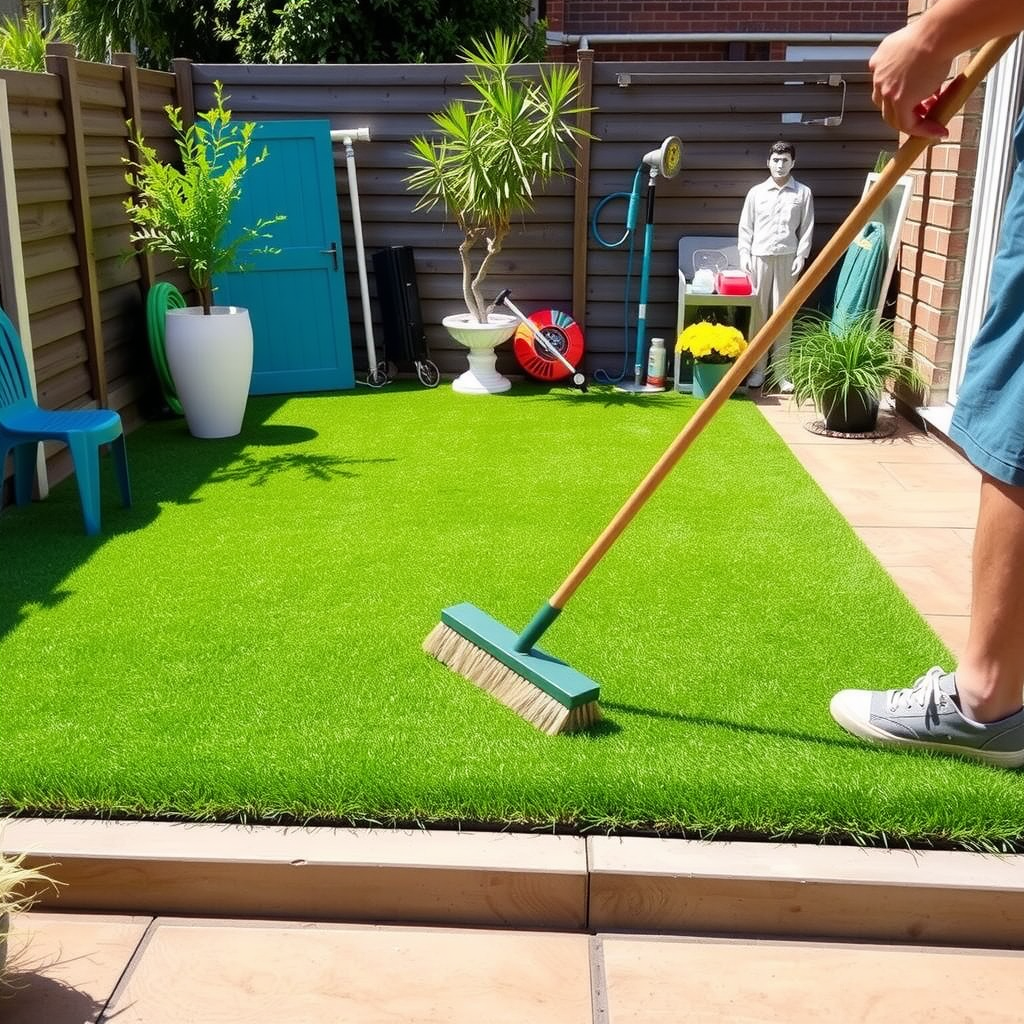
Artificial grass has become an increasingly popular choice for gardens, playgrounds, and sports pitches across the UK. It offers a lush, green alternative to natural grass, requires far less water, and eliminates the need for harsh chemicals and fertilisers. However, just like any other surface, it requires a degree of care to keep it looking pristine and performing well over time. Understanding how to maintain artificial grass effectively can make a significant difference in its longevity and aesthetics.
Whether you’ve recently installed a new lawn or you’re considering an artificial grass maintenance package to give your existing surface some much-needed love, it’s essential to know the best practices for artificial grass care and maintenance. This guide will provide you with a friendly yet expert perspective on keeping your artificial grass in tip-top shape.
Regular Cleaning is Key
One of the most important aspects of maintaining artificial grass is regular cleaning. Debris like leaves, twigs, and dirt can accumulate over time, leading to a dull appearance and even odours if organic material starts to decompose. A simple way to keep your synthetic lawn tidy is to use a stiff brush or a leaf blower to remove debris. Make this a part of your routine maintenance schedule, especially during autumn when leaves are more likely to gather.
For more extensive cleaning, consider using a power washer on a low setting. This will help remove dirt and grime that might have settled into the fibres. Just ensure that your cleaning method is gentle enough not to damage the grass fibres. Should you feel that a more thorough clean is necessary, there are artificial grass maintenance services available near you that can assist with this task.
Addressing Weeds and Pests
While artificial grass is generally weed-resistant, it’s not completely immune. Occasionally, weeds may find their way through seams or the edges of your lawn. To combat this, it’s wise to periodically check for any unwelcome plants and manually pull them out if they appear.
In terms of pests, whether it’s ants, beetles, or other nuisances, maintaining artificial grass can surely help keep your lawn pest-free. One way to deter pests is to use natural repellents that won’t harm the artificial fibres. If you’re unsure, consult with a local artificial grass maintenance service to find the best options for your situation.
Brushing Your Grass
Brushing your artificial grass is a vital yet often overlooked part of care and maintenance. Over time, foot traffic can flatten the grass fibres, making your lawn look worn and unkempt. Regularly brushing the grass with a stiff broom or a specialised turf rake will help restore its upright position and enhance its overall appearance. This is especially important on artificial pitches where constant use can lead to more rapid wear.
The ideal technique is to brush in the opposite direction of the grass fibres to help lift and separate them. Doing this every few weeks will help maintain a natural, freshly manicured look.
Artificial grass maintenance is essential for ensuring the longevity and aesthetic appeal of your synthetic lawn. Regular upkeep helps prevent weeds, debris buildup, and ensures optimal drainage. For comprehensive guidance, check out this informative resource: https://bellaturf.ca/artificial-grass-maintenance/. Incorporating routine brushing, rinsing, and checking for damage can enhance the look and feel of your artificial turf. Keep your lawn pristine and enjoyable year-round with proper maintenance!
FAQ: Artificial Grass Maintenance
What is artificial grass maintenance?
Artificial grass maintenance involves the routine care and cleaning required to keep synthetic turf looking its best and functioning properly. This includes brushing, rinsing, debris removal, infill replenishment, and regular inspections for damages or wear.
How often should I maintain my artificial grass?
The frequency of artificial grass maintenance depends on usage and environmental factors. Generally, it’s advisable to perform light maintenance like brushing and debris removal weekly or bi-weekly. Deep cleaning should occur every 1-3 months or as needed based on foot traffic and weather conditions.
What tools do I need for maintaining artificial grass?
Essential tools for maintaining artificial grass include a stiff-bristled broom or brush for grooming the fibers, a leaf blower or rake for removing debris, a garden hose with an attachment for rinsing the surface, and an infill spreader if you need to replenish sand or other infill materials.
How do I clean pet waste from artificial grass?
To clean pet waste from artificial grass:
- Remove solid waste using a plastic bag.
- Rinse the area thoroughly with water.
- For urine odour control, mix equal parts of white vinegar and water in a spray bottle to neutralise odours.
- Rinse again after applying the vinegar solution.
Can I use chemicals on my artificial grass?
It’s essential to avoid harsh chemicals that may damage your synthetic turf fibers; instead opt for mild detergents when necessary. Always check with your turf manufacturer’s guidelines before using any cleaning products.
Will my lawn become discoloured over time?
While high-quality artificial grass is designed to resist UV fading over time, it can still suffer from discolouration due to significant exposure to extreme heat or neglectful maintenance practices like using chemical cleaners not suitable for synthetic surfaces. Routine care can help mitigate these effects.
Is it necessary to replace infill in my synthetic turf?
Yes! Over time, infill material may settle down due to foot traffic or weather conditions affecting its effectiveness at providing cushioning support and stability underfoot. It’s commonly advisable to check levels annually after installation; topping off if required keeps your turf performing well.
How can I prevent weeds from growing through my artificial lawn?
High-quality installations typically include a weed barrier underneath; however you can further prevent weeds by regularly maintaining your landscape edges against intrusion & occasionally checking seams & areas around borders where weeds may originate due contact with soil beneath! If they do pop up simply pull them out while ensuring thorough cleanup afterward!
Additional Resources
For detailed guidance tailored specifically related toward models available consider reaching out directly producers’/distributors’ manuals online user-community forums dedicated towards this topic!
Dealing with Stains and Spills
One of the best features of artificial grass is its low maintenance when it comes to stains. However, accidents happen, especially in family gardens or sports settings. For spills, such as food or drinks, it’s essential to clean them up as soon as possible to prevent any lingering stains or odours. Simple soap and warm water usually do the trick. For tougher stains, there are also special cleaners designed specifically for artificial grass that can help.
If you notice stains that refuse to budge, don’t hesitate to contact an artificial grass maintenance service near you. They’re equipped with the right tools and expertise to tackle even the most stubborn of blemishes.
Artificial grass maintenance is crucial for preserving the beauty and longevity of synthetic lawns. Regular cleaning and upkeep ensure a vibrant, lush appearance. For expert tips and services, visit https://www.artificialgrassmaintenance.co.uk and enhance your outdoor space.
Enhancing Drainage
One of the advantages of artificial grass is its built-in drainage system, allowing rainwater to flow away easily. However, it’s always a good idea to make sure that no debris is blocking the drainage holes, especially in high-traffic areas. Regularly checking the drainage system can help avoid puddling and ensure that your lawn stays in pristine condition even after heavy rainfall.
Additionally, if you find that water pools in certain areas, it might be worth consulting with professionals on how to better facilitate drainage, whether through simple adjustments or by considering an artificial grass maintenance package that includes this service.
Seasonal Care Tips
Seasonal changes can significantly impact your artificial grass maintenance routines. In warmer months, it may need more frequent brushing and cleaning due to increased debris and foot traffic. Conversely, in winter, it might be necessary to remove snow if you live in a particularly cold area, as heavy snow can weigh down and flatten the grass.
Make a note of seasonal care tips and adjust your maintenance practices accordingly. For those in the UK, checking in-season local advice or using a local artificial grass maintenance service can provide tailored tips for your specific climate conditions.
Consider Professional Maintenance
If maintaining artificial grass feels overwhelming or if your lawn has seen better days, do consider an artificial grass maintenance service. These professionals have the experience and tools to provide a thorough assessment of your lawn and can offer tailored solutions for upkeep. Many services even provide artificial grass maintenance packages that ensure your lawn is regularly cared for throughout the year. Investing in such services can save you time and ensure your artificial grass remains a beautiful and functional feature of your property.
By following these essential tips for effective artificial grass maintenance, you can enjoy a beautiful, vibrant green lawn year-round. Happy mowing!